 Kolektor Mobility
 Kolektor Technologies
  Kolektor Construction

Change is not a punishment: The GREMO Conference on Innovation, Collaboration and New Business Models
11. 03. 2026
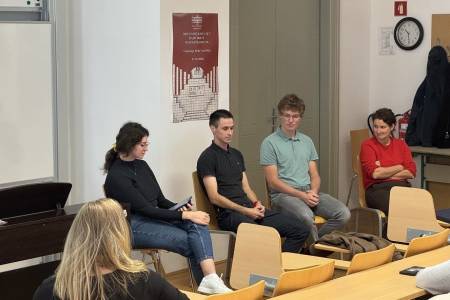
At the GREMO Development Conference, organized by the Automotive Cluster of Slovenia (ACS), experts from business, research and industry discussed how companies can successfully adapt to a rapidly changing business and technological environment. The event focused on how change can be understood as an opportunity for development, innovation and growth, and how collaboration between companies, science and startups can accelerate the creation of new solutions for the industry of the future.

GREMO Development Conference: Change is not a punishment, Foto: Robert Zabukovec
Change Is Not a Punishment
The keynote speaker, management expert Dr. Nadya Zhexembayeva, emphasized in her presentation that changes in the business environment are not a punishment but a necessary part of organizational development. Companies that want to remain competitive must foster a culture of adaptability, encourage collaboration, and invest in the development of new knowledge and technologies. It is crucial that organizations understand change as a learning process—both at the level of individuals and entire teams.
Topics such as digital transformation, emerging technologies, shifts in industrial value chains, and the need for stronger collaboration between businesses, research institutions and innovation ecosystems were at the forefront. Such cooperation enables faster development of new solutions and a more effective response to the challenges faced by both the mobility industry and the broader economy.
Kolektor: From Manufacturing to Digital Solutions
The conference also featured Mateja Lavrič, Director of Qlector, who presented a case showing how a large manufacturing multinational can decide to pursue a completely new development direction and diversify its business.
As she explained, the Kolektor decided to expand into the development of software solutions. This decision was driven by the desire for long-term growth and maintaining competitiveness in a rapidly changing industrial landscape. To achieve this, they adopted the concept of open innovation, combining industry knowledge, the technological expertise of startups, and the research potential of the academic environment.
Within this ecosystem, Kolektor contributed primarily its domain expertise and an industrial “sandbox" for rapid prototyping, where partners can test new ideas and technologies in a real production environment. This approach enables faster development of solutions and a more efficient transition from idea to product.

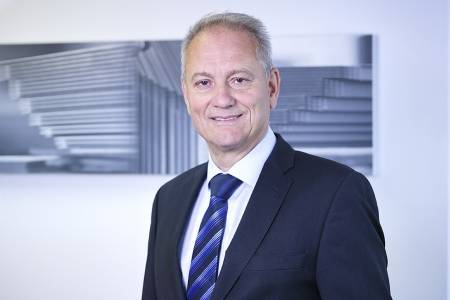
Mateja Lavrič, Director of Qlector, Foto: Robert Zabukovec
Qlector as an Example of Successful Collaboration
As a concrete outcome of such collaboration, Lavrič presented Qlector, a company developing advanced digital solutions for production optimization using artificial intelligence. These solutions help companies analyze data from production processes, improve planning, and optimize the performance of manufacturing systems.
She also highlighted key lessons learned from collaboration between a corporation, startups and academia. Such projects bring many positive effects—faster innovation development, access to new knowledge, and greater flexibility in product development. At the same time, they also present certain challenges, particularly in aligning different ways of working, organizational cultures, and partner expectations.
Collaboration as the Key to Competitiveness
The conference demonstrated that the future success of industry depends on the combination of innovation, collaboration and openness to new business models. Companies that can connect industrial expertise with digital technologies and the startup ecosystem will be better positioned to develop new products and maintain competitiveness in global markets.
The discussions at the conference once again confirmed that change is not an obstacle but an opportunity for development—provided that companies recognize it in time and know how to take advantage of it.
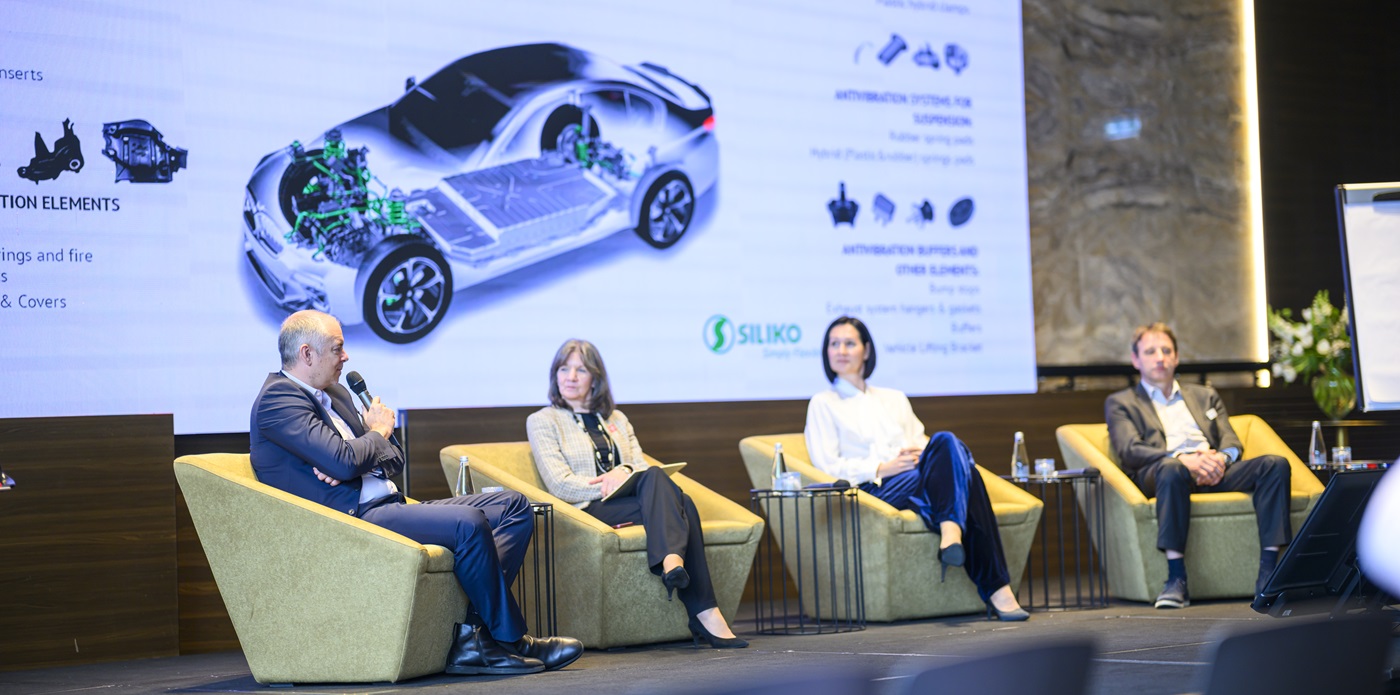
Foto: Robert Zabukovec
Back